Complaints Procedure for Commercial Waste Removal Victoria
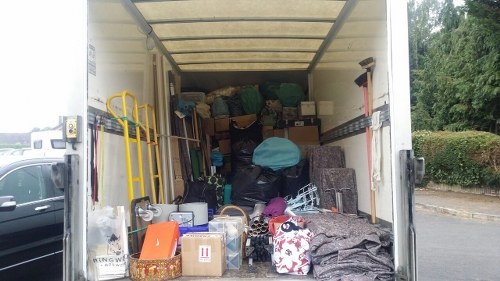 Purpose and scope: This document sets out the formal complaints procedure for commercial waste removal services operating across Victoria. It is designed to ensure that businesses and property managers using commercial rubbish removal and business waste collection services receive a clear, consistent and fair process for raising concerns about service delivery, environmental handling, safety incidents and related matters. The procedure applies to all aspects of commercial waste services, including scheduled collections, ad-hoc removals, hazardous material handling and any ancillary activities provided by a waste contractor.
What constitutes a complaint
Complaints may include missed collections, contamination of recyclable loads, spillage or littering during pickup, property damage, perceived unsafe practices, invoicing disputes tied to collection service, or failures in customer service response. Not all contacts are complaints; routine enquiries about bin sizes, scheduling or waste classifications should be handled as service requests, but any expression of dissatisfaction that seeks a remedy should be treated under this complaints process as a formal complaint.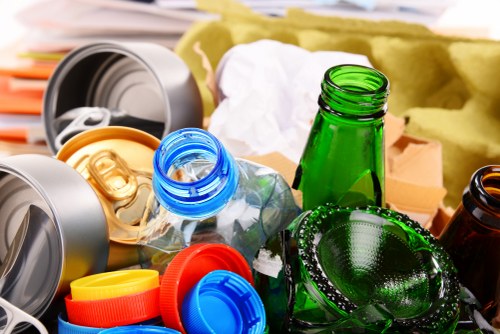
Who can lodge a complaint and how it is recorded
Complaints can be lodged by authorised representatives of commercial premises, tenants with documented responsibility for waste management, property managers and, where relevant, contractors engaged by the account holder. A complaint should be recorded in writing where possible through standard forms or a documented note of the oral report. The record will include the complainant’s role, location affected, description of the issue, date and time of occurrence, and any immediate actions taken by on-site staff or the driver.Acknowledgement and initial response
On receipt of a complaint, the service provider will acknowledge it promptly, normally within a defined business timeframe. The acknowledgement will confirm the complaint has been logged and outline the next steps, including the expected time to investigate. During the initial response the provider may offer temporary mitigation such as dispatching a crew to secure any spill or arranging a supplementary collection pending investigation.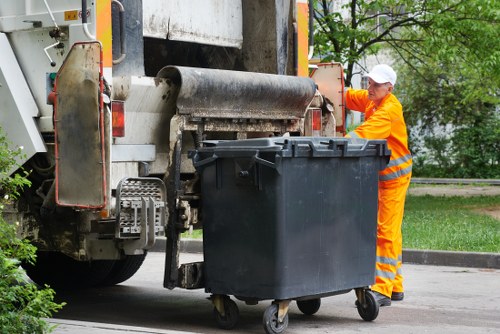
Investigation process
The investigation follows a structured approach: gather facts, assess the environmental and safety consequences, consult operational records (route logs, driver notes, CCTV where available) and speak with relevant staff. Where necessary the provider will arrange a site inspection. Key investigative actions include:- verifying the collection schedule and service instructions;
- reviewing vehicle records and bin tagging or identification;
- documenting photographic evidence and witness statements;
- assessing whether contamination or hazardous material played a role.
Findings and provisional outcomes: Following investigation, the provider will determine responsibility, propose corrective actions and, where possible, provide a timeline for remedy. If the complaint involves environmental harm or a potential regulatory issue, the provider will escalate to the relevant operational manager for immediate action and record the incident for further internal review.
Resolution options and remedies
Resolutions will be proportionate to the issue and may include: repeat collection at no extra charge, cleaning of affected areas, repair of property damage arranged or compensated by the provider, account adjustments such as credits for service failures, and targeted retraining for crew members. For complex commercial waste services, solutions may also include a revised service plan to address recurring problems, or adjustments to bin placement and labelling to prevent contamination. Each resolution will be documented and communicated clearly to the complainant.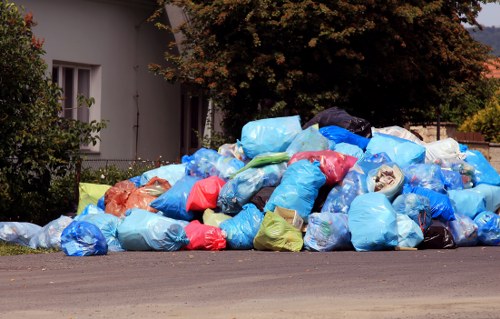 Escalation and independent review: If the complainant is not satisfied with the outcome, the complaint may be escalated internally to a senior operations or compliance officer for a secondary review. The escalation process is transparent and records the reasons for appeal, any additional information provided and the outcome of the review. Where appropriate, a third-party or neutral reviewer may be engaged for an independent assessment of technical or environmental matters; this is used selectively for disputes that cannot be resolved internally.
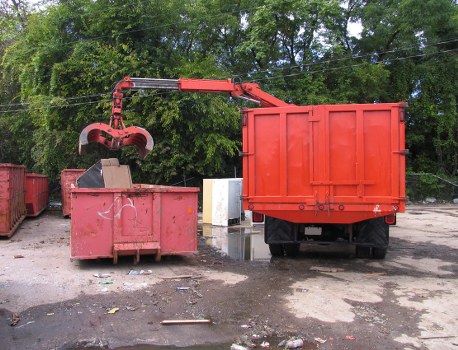 Record-keeping, monitoring and continuous improvement: All complaints and related investigation files are retained for monitoring and trend analysis. Aggregated data is used to identify service gaps, improve training, refine route planning and update risk controls. The provider commits to ongoing improvement of commercial waste services by reviewing complaint trends, implementing corrective action plans and communicating policy changes to operational teams. Fair treatment of all complainants is central to this procedure and ensures that issues are addressed promptly, objectively and without reprisal.
Where a complaint requires corrective operational change, the provider will set measurable actions and follow up to confirm closure. Closure records will include the corrective action taken, confirmation from the complainant when possible, and any outstanding monitoring requirements. This ensures transparency and provides a documented trail demonstrating that business waste collection services are held to consistent standards.
Training and prevention: Preventing repeat complaints relies on regular training for drivers and operations staff, clear bin labelling and customer education about correct segregation of waste streams. The provider will use complaint outcomes to inform refresher training modules, revise service instructions and improve communications with commercial customers about their responsibilities for waste handling.
Conclusion: This complaints procedure for commercial waste removal in Victoria is intended to be practical, transparent and outcome-focused. It balances rapid operational response with thorough investigation, proportional remedies and an emphasis on preventing recurrence through continuous improvement of commercial waste management processes. The provider commits to treating every complaint seriously and using each one as an opportunity to raise service standards across their commercial rubbish removal and business waste collection operations.
